
Protein shakes have become a popular post-workout ‘must have’. They are marketed to anyone slightly interested in health and fitness, regardless of their goals – whether they are trying to build muscle, lose weight or simply feel fuller for longer to avoid overeating. We get so many questions asking about the benefits or necessity of protein shakes. So, we thought we’d address some of these questions on this week’s blog.
What’s the big deal about protein anyway?
Simply put, you need protein for your body to work! Proteins are made up of various combinations of 20 amino acids. They contribute to important structures within your body, such as enzymes, hormones and muscles. Whilst your body makes most of the amino acids you need to synthesise protein, you need to also get some of your essential amino acids from the food you eat. This is one of the many reasons why protein is one of the three macronutrients (along with carbohydrates and fat) that make up the food you eat. It is why dieticians advocate eating a ‘balanced diet’ . This is where you are getting enough of these three macronutrients in proper proportions for your body’s needs and goals.
The other key reason why protein is important is that it plays an integral part in the repair and growth of muscle tissue. After strenuous exercise, you need to replenish your body with stores of carbohydrates and protein to give it the best chance of recovery.
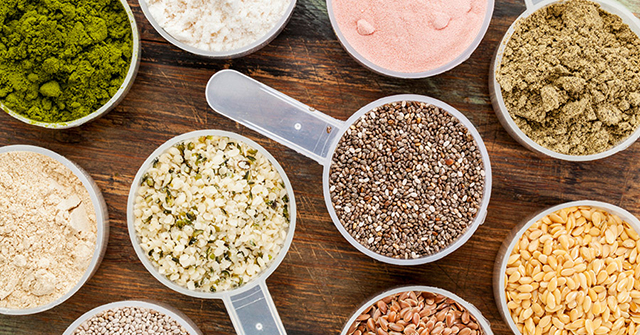
What exactly is in a protein shake?
There are several types of protein powders available (to add to water or milk) to make a protein shake. They include whey (from milk), casein (from milk), soy, egg and pea proteins. As you can tell by their names, most come from a specific food source. The popular brands tend to have 20-25 grams of protein/ per serve. The important thing to note is that optimal muscle recovery also requires carbohydrate intake.
What are the benefits of a protein shake?
The quick and easy preparation of protein shakes is part of their appeal. They are a rapidly absorbed solution to getting a decent amount of protein into your system without having to eat your protein within half an hour post-workout (which sometimes you don’t feel like doing depending on your workout). However, a protein shake should only ever be a supplement to a balanced diet and never be considered a meal replacement.

What are the issues with protein shakes?
It is not random that manufacturers of protein powder have ensured the 20 grams of protein per serve. There is often debate about the maximal amounts of protein you can absorb during one intake. This can range from 20- 30 grams and is dependent on many factors including your muscle mass, sex and inherent body needs. Many studies have found that consuming 20g of protein can decrease appetite and make you feel fuller for longer. However, dietitians warn that protein shakes should not be confused with meal replacements or used solely for weight loss.
Jaclyn Reutens, dietician and Active8me nutrition expert explains “A weight-loss meal needs to comprise carbohydrates, protein, fibre, vitamins and minerals. Protein shakes do not contain these.” Never forget, that protein powders are still highly processed products and often have numerous additives to make the shake palatable. If clean eating and a focus on eating unprocessed wholefoods is the aim (as we advocate) then processed protein shakes may not be the answer. Those that can contain high amounts of ‘added extras’ like sugars and preservatives should only ever be supplements and not meal replacements.
The other issue with protein shakes is the expense! In the world of supplements marketing they can be an expensive alternative to high protein foods. You can purchase a lot of fresh produce for the price of protein powder.
Is too much protein dangerous?
If you are ‘eating’ your protein, you would find it hard to overload on protein. However, pairing easy-to-consume protein shakes with the protein in your regular meals, you can inadvertently double or triple your required protein (and calorie) intake. It is important to be wary of the ingredients that are added to protein powders. Some may contain heavy metals that when consumed in large quantities can build up in your system, causing issues with your liver. Jaclyn Reutens also warns “Long-term use of protein shakes may result in compromised kidney function due to the increased workload the kidneys have to undertake to metabolise the excess protein.”
Do I really need a protein shake?
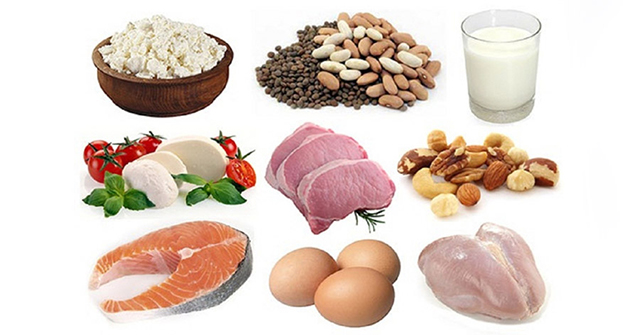
Jaclyn suggests “ Natural foods are usually my primary recommendation for protein intake. You can get the same amount of protein that a shake provides from half a chicken breast, three glasses of milk, four egg whites and three slices of cheese.” She adds “These natural food sources are also packed with vitamins A and B as well as minerals like zinc and calcium, and hence are more beneficial to your health”.
One macronutrient alone is not responsible for good or bad nutrition. Rather, it is the combination and proportion of these nutrients that make up a balanced diet. Although protein is very important for keeping your body functioning and is great at contributing to a feeling of fullness, consuming too much protein (or any one macronutrient) will ultimately lead to weight gain!
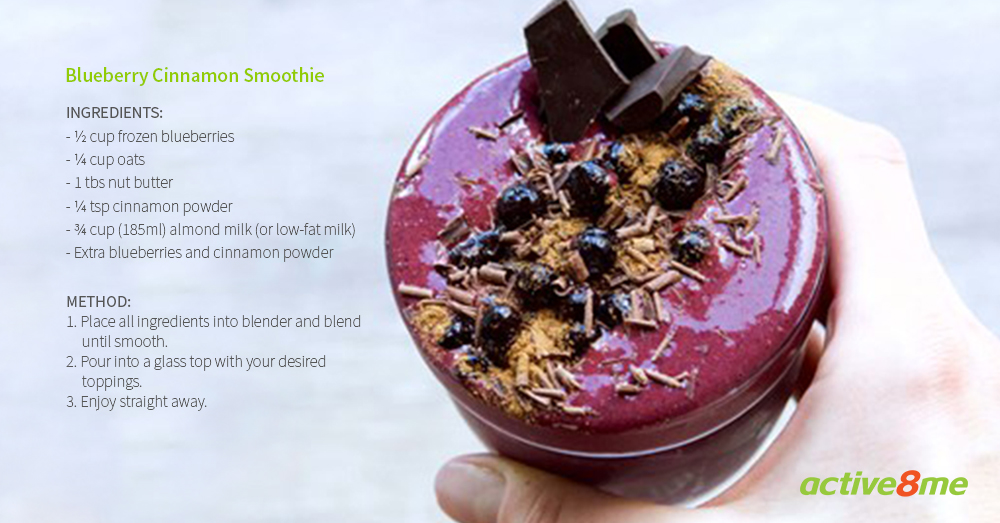
What are the whole food alternatives to protein shakes?
The ideal post-workout snack or meal would incorporate foods that are rich in carbohydrates (to replenish muscle stores), contain some lean protein (to assist in muscle repair) and include fluid or electrolytes (to rehydrate). If you’re looking to increase your protein without a protein shake, here are some whole food alternatives:
- One large egg = 6 g of protein
- One serve (about 12) almonds = 6 g of protein
- Half a cup of oats = 13 g of protein
- A 170g tub of Greek yoghurt = 17 g of protein
- One skinless chicken breast = 53 g of protein
- One cup of quinoa = 8 g of protein
- One cup of lentils = 18 g protein
In conclusion
We don’t have a problem with protein shakes per se. Protein is an important and necessary macronutrient and protein shakes serve a purpose, depending on your lifestyle, and on your aims. We just want you to be informed so you can make great nutrition decisions. For example, for Active8me founder Jeremy Rolleston protein shakes served a great role in supplementary snacks amidst his overall balanced nutrition plan when training for the Olympics. The key word is supplementary though.
Secondly, just as with anything, too much of a good thing can lead you down the wrong track. That is, if you are consuming protein shakes on top of your regular, balanced meals you may find you start to gain weight. Remember, it is not just what you consume, but how much you consume!
Thirdly, never forget that nature’s own unprocessed wholefoods are always the best option. High protein whole foods make great snacks as they curb your hunger, give you that ‘fuller for longer’ feeling and contribute to your muscle recovery after a hard workout. If you’re going to have a protein shake as a supplementary snack though, then we’ve got you covered. The Active8me app has various protein suggestions that will serve your weight loss and toning goals. Feel free to experiment and have some fun trying different combinations (oats, yoghurt, water, milk, chia, blueberries, bananas, etc.). The web abounds with great recipes suggestions. Just be smart, educated and informed!
Comments
Post a Comment